
Thoughts on Gris
Visually stunning, perfectly paced

Gris has been on my to-play list since it came out in 2018. I find that date surprising, as I thought it was released ‘a couple of years ago’. That’s the Covid Memory at play again, presumably.
I wish I hadn’t waited so long.
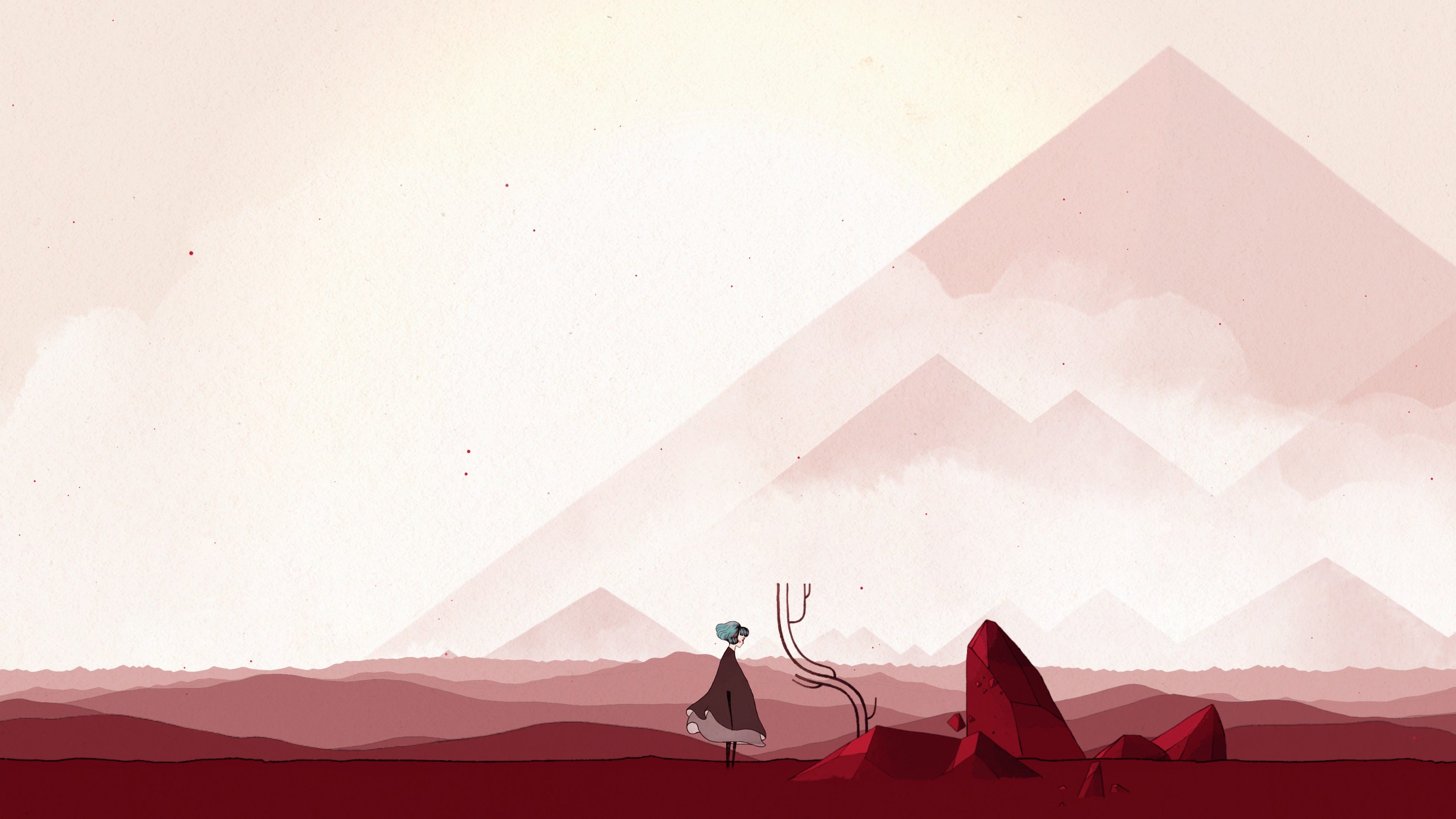
The game looks pretty in trailers and screenshots but in motion is considerably more impressive. It achieves a painterly visual style that feels part-sketchbook, part-geometric exploration and, crucially, remains easy to read throughout. This isn’t a beautiful platformer in which you can tell where the platforms are.
Gris is a relatively short game, taking me three and a half hours to complete. I should emphasise that this is absolutely a positive, and not only due to my diminished time allocation for playing games. By being short, Gris maintains its quality from beginning to end, never outstays its welcome, never overuses a particular design or puzzle elements and feels fresh throughout.
The story is a loose and highly effective examination of depression and perseverance. You play a young woman who has lost her interest in the world, lost her confidence, to the point that the world is drained of all colour. As you progress, colour is returned to the world, as is expression and variety, all the while being pursued by some inner demons.
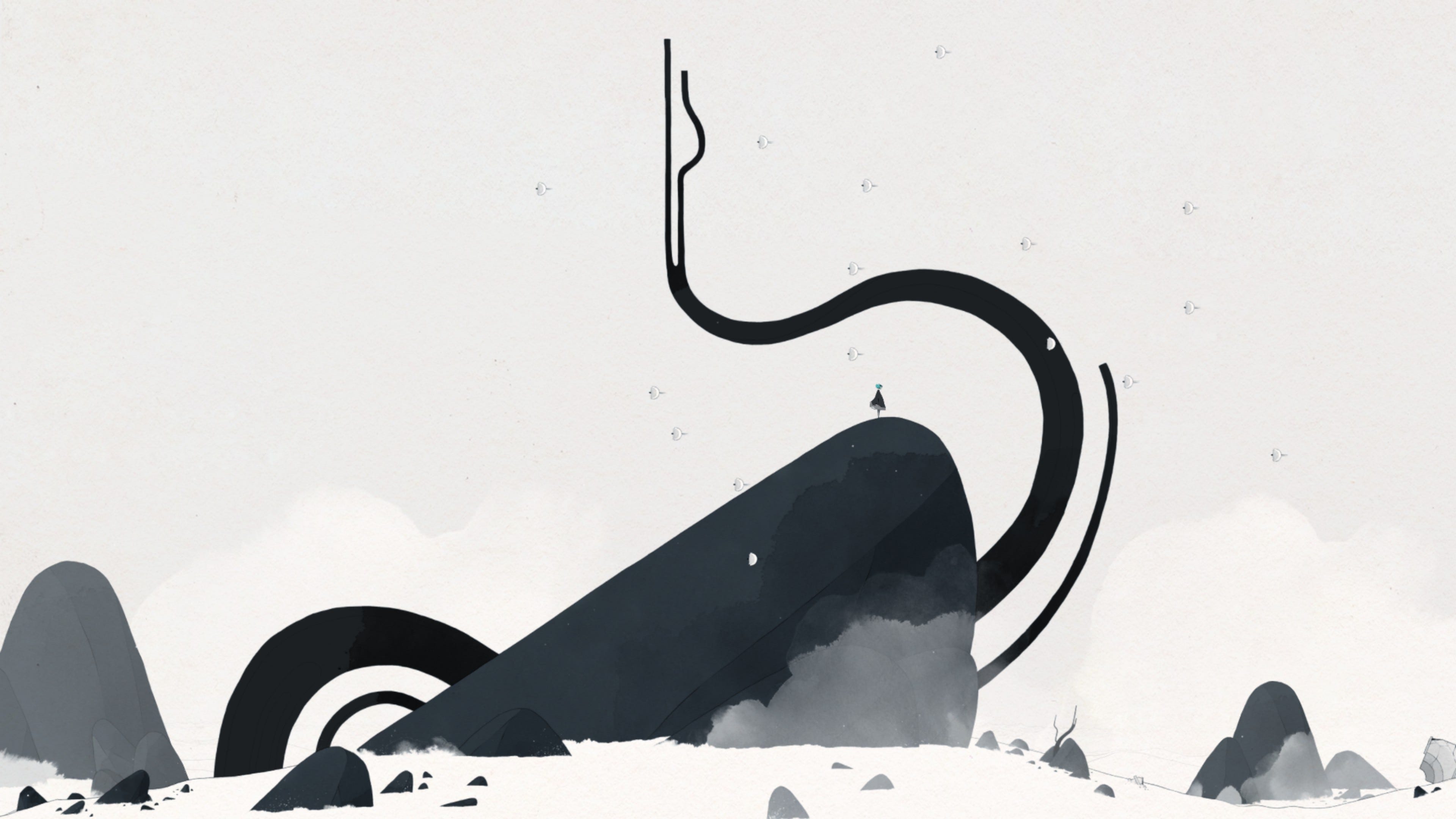
Thematically and structurally it shares some DNA with the inimitable Celeste, then, but the tone and style of platforming is very different. Celeste rewards expert play and repeated mastery, while Gris never aims to be especially difficult. The platforming is rewarding but fairly simple, while the puzzles are pitched just right to give one pause without derailing the sense of progress.
All the things you can do are satisfying. Movement and jumping work as expected; later, you gain additional powers that enable you to alter the world in small but meaningful ways. Each ability is fun while also fitting the story: first you have to destroy, before you can rebuild. There are secrets and extra challenges to be found for more explorative players.
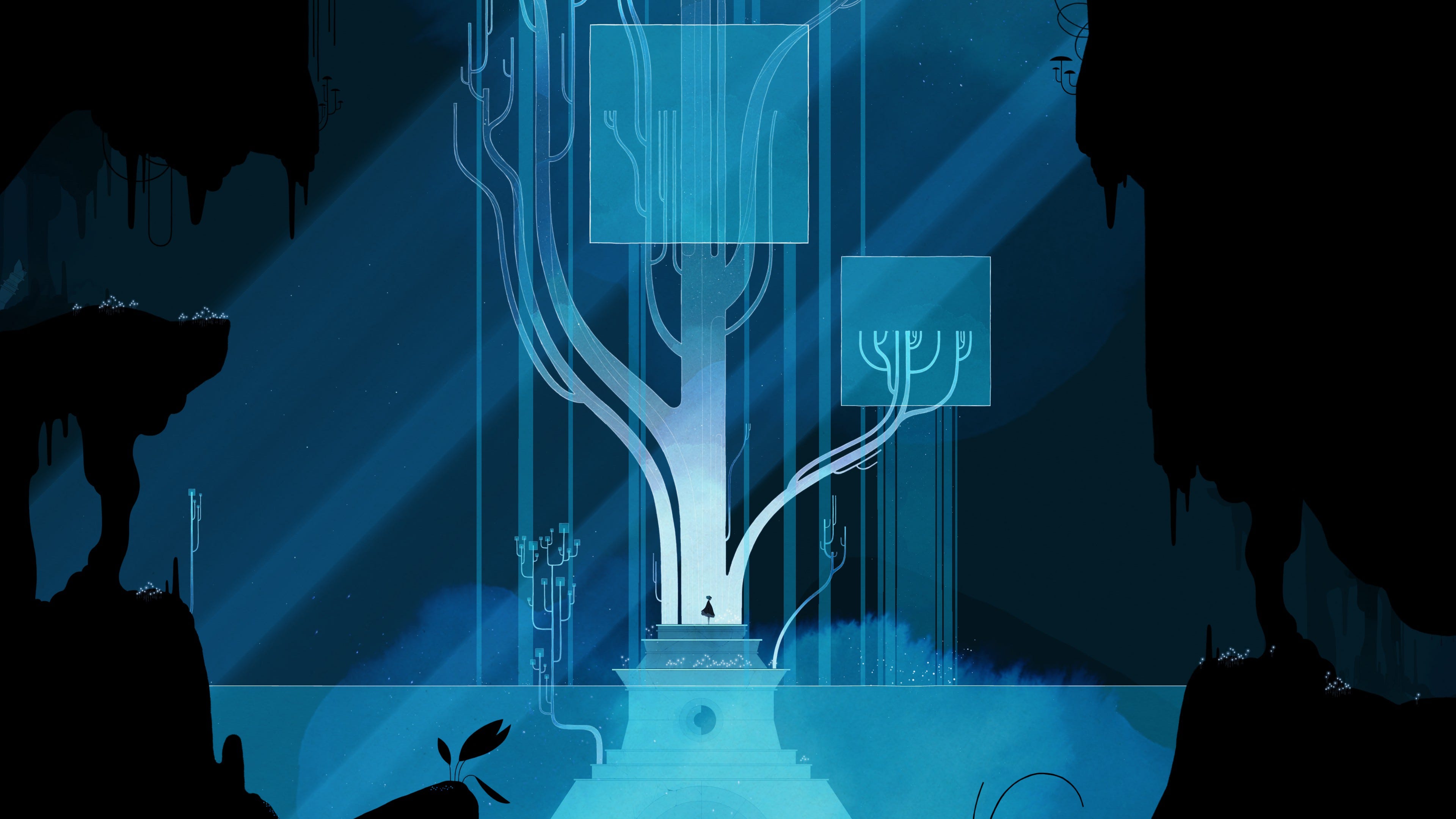
The game’s brevity helps it be continually surprising. It begins in the Limbo style, very minimalist and mostly about going from left to right while Story Stuff happens. A more curated narrative experience. It soon switches into more of a platforming challenge, then introduces a light hub area of sorts from which you can choose your own path, although all roads lead to the same conclusion (I think?). Puzzles become increasingly twisty, incorporating the new powers and encouraging you to think laterally about how each ability shifts your interactions with the world.
It’s an exquisite game in every department. Design, visuals, audio, music, movement.
There’s a balance to the story and the gameplay that other games could learn from, too. Metaphors are there to be explored for those who want to, but the story can also be largely ignored for anyone who just wants to experience a very pretty platformer-puzzler.
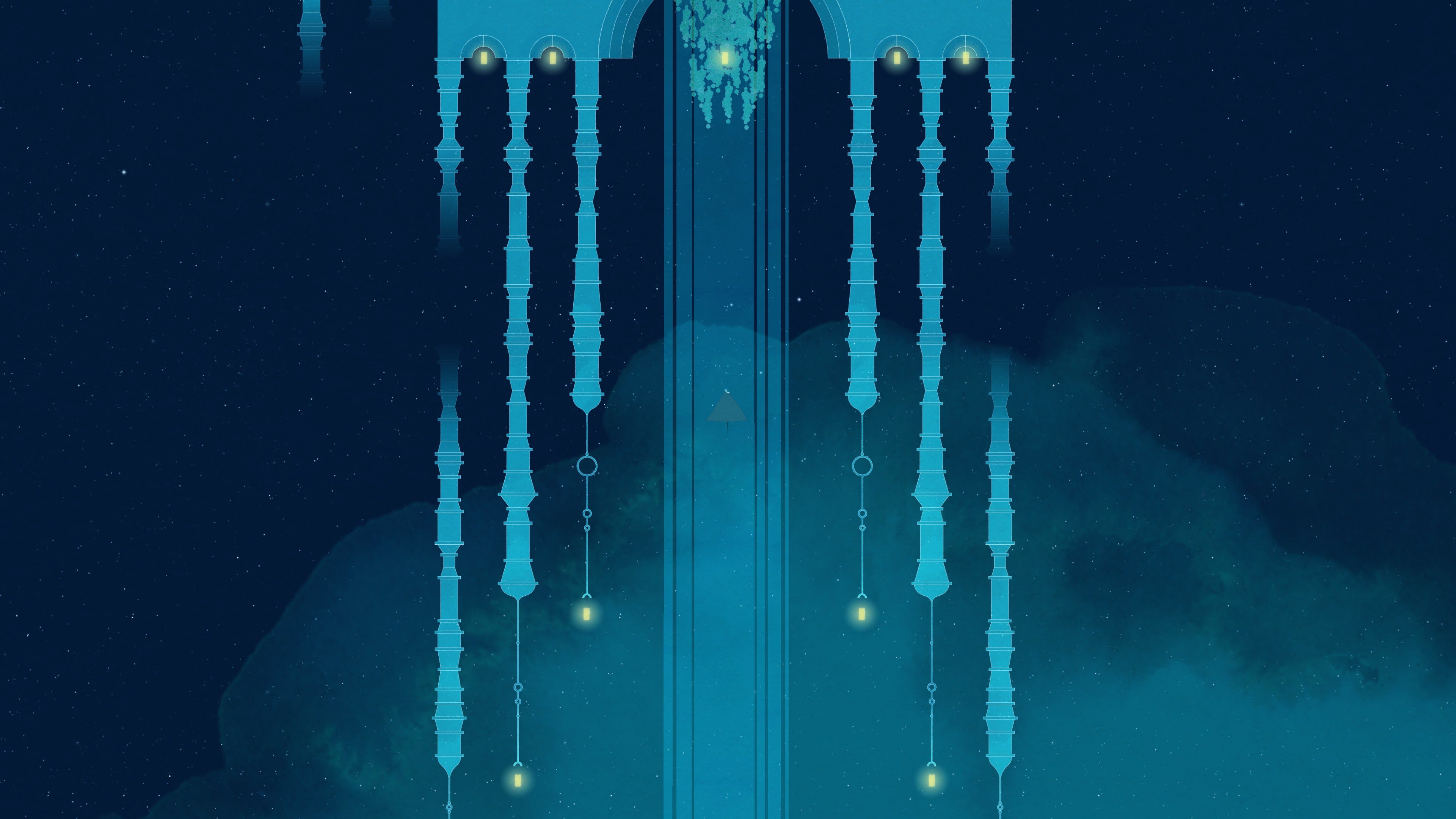
There are shades of Journey at times, in the visual design as well as the overall narrative arc. But while Journey aims to be experiential above all else, Gris never forgets to be a really good platformer at its core.
As for that story: it’s simple on paper but the achievement is in the telling, with the narrative bound tightly to what you’re actually doing in the game. The character is restricted at the start of the game, inexpressive, unable to really enjoy her surroundings. By the end, you’re a fundamentally changed person — not in a levelmaxxing sort of RPG way, but in a much more natural sense of progression. She always was this person, and just had to remember.
There are key moments in the story that proved unexpectedly emotional, whether moving or fist-pumpingly exciting. There’s a range to the story that I didn’t expect when starting out.
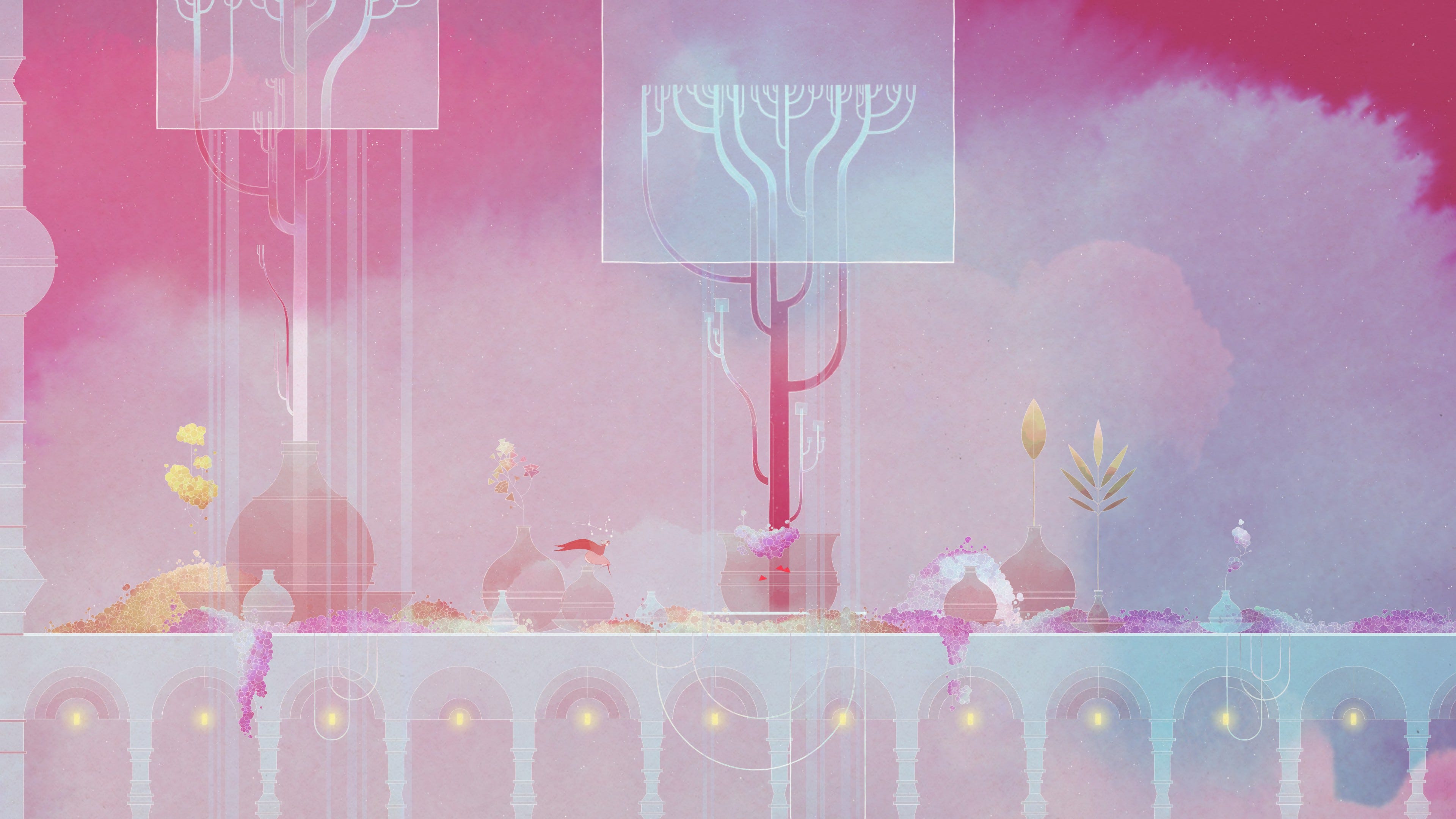
If, like, me, you’ve had Gris on your “I should get round to playing that at some point” list, I highly recommend bumping it up to the top. It doesn’t occupy too much of your time and each hour feels worthwhile.
Going back to that 3.5 hour completion time: I do wish more games had the confidence to do this. While some games justify epic runtimes, most do not and are simply full of fluff and filler. Gris has substance and is hefty enough to make an impact, without wasting your time. It explores its ideas, in both story and gameplay, and once it’s tested them out has assuredness to simply stop. At 3.5 hours it’s similar in length to a very long film, or a short film by James Cameron or Christophe Nolan. That makes it possible to complete it in a single sitting or over a couple of evenings, and that concentration of time and effort naturally magnifies the game’s emotional impact. The same game doubled in length would not be as effective.
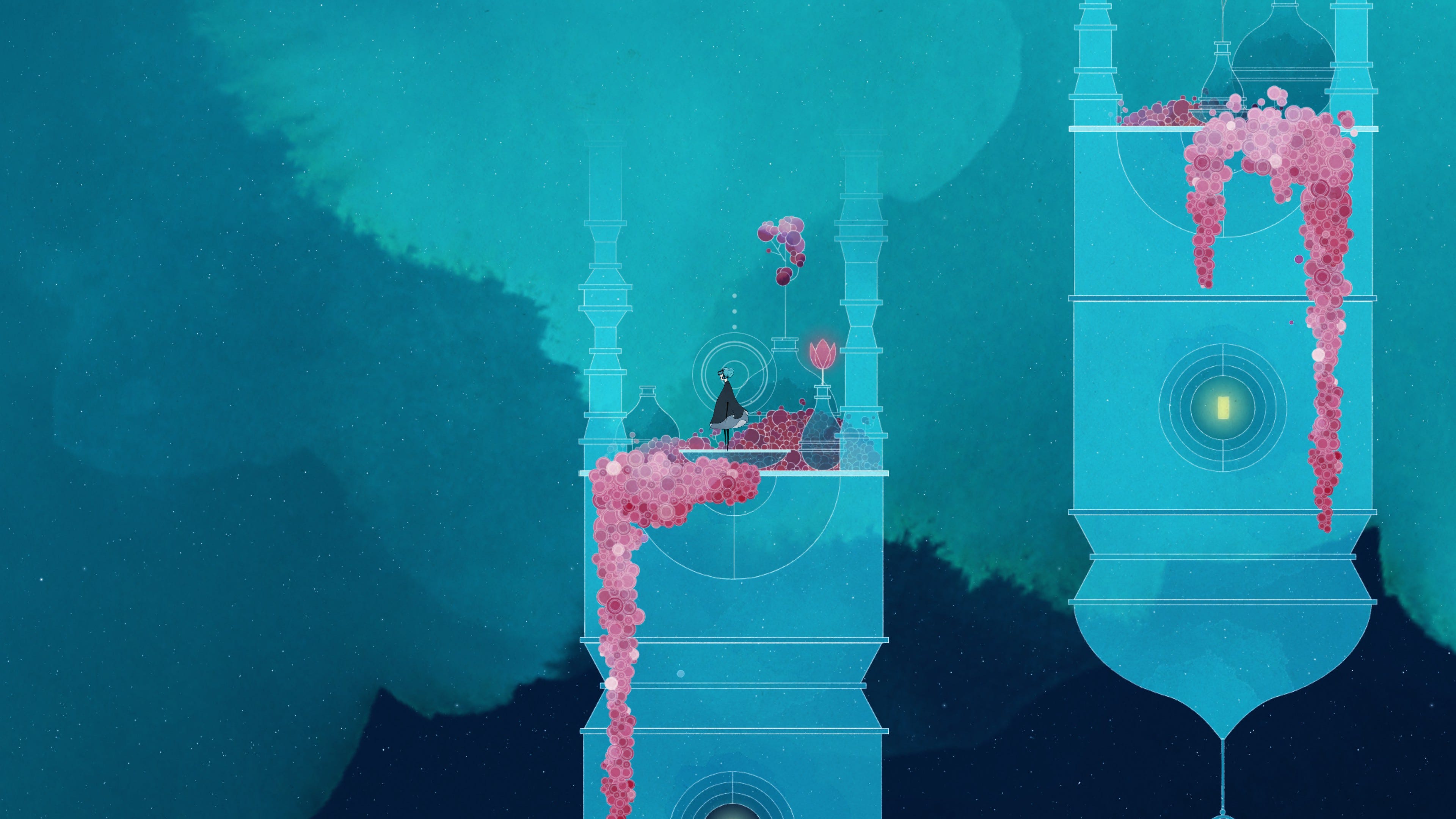
On a technical note: I played Gris on a Steam Deck at 4k and it ran buttery smooth. There aren’t many games that can run at high resolution on the Steam Deck, and to have something this visually sumptuous barely making the device break a sweat is presumably testament to the developer’s coding skills.
It’s also available on most other platforms, so there’s no excuse to not play it. I hope you enjoy it as much as I did.
I enjoyed Gris when I played it a few years back. Would love to pick up the studio's second game, Neva. The visuals are just as incredible.
Gris is a beautiful game. I loved playing it.